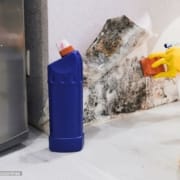
Mold is a common concern in many homes and businesses, often found in damp areas. Understanding mold, its causes, risks, and remediation methods is essential for maintaining a healthy environment. In this blog post, we’ll dive into what mold is, why it grows, the potential health risks, and how EAP Mold & Water, LLC can help you effectively manage mold issues.
Common Causes of Mold Growth
- Moisture: The primary cause of mold growth is moisture, which can result from leaks, flooding, high humidity, or condensation.
- Poor Ventilation: Areas with inadequate airflow, such as attics, basements, and bathrooms, are particularly prone to mold.
- Organic Materials: Mold feeds on organic materials like wood, drywall, and fabric, making homes prime targets for infestations.
Health Risks Associated with Mold
Exposure to mold can lead to various health issues, particularly for sensitive individuals. Common symptoms include:
- Allergic reactions (sneezing, runny nose, itchy eyes)
- Respiratory issues (coughing, wheezing)
- Skin irritation
- In severe cases, long-term exposure can lead to more serious health problems.
How EAP Mold & Water, LLC Can Help
If you suspect mold in your property, timely action is crucial. Here’s how our team can assist:
- Thorough Inspection: We conduct comprehensive assessments to identify mold sources and evaluate the extent of the problem.
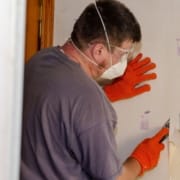
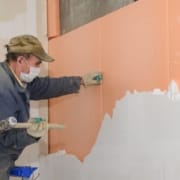
- Safe Remediation: Our team uses advanced techniques and equipment to safely remove mold and prevent its return.
- Moisture Control Solutions: We help identify moisture sources and recommend improvements to ventilation and drainage systems.